
The Role of ERP Software in Improving Business Efficiency and Growth

ERP Software

ERP software helps businesses manage everything in one system—inventory, finance, sales, HR, and operations. It reduces manual work, improves accuracy, and helps companies grow faster. With real-time data and automation, businesses make smarter decisions and work more efficiently. 📈 Platforms such as Nexode offer an easy-to-use ERP system designed for growing businesses.

Key Takeaway

  • ERP software reduces manual work and improves overall business efficiency.
  • It centralizes all business data, making information easy to access and manage.
  • ERP provides real-time insights that help in making faster, smarter decisions.
  • It supports long-term business growth by improving productivity and reducing operational costs.

How ERP Software Helps in Improving Efficiency

1.Reduces Manual Work

ERP automates tasks like billing, stock updates, and reporting. This reduces human effort and speeds up daily operations.

2.Improves Accuracy

All departments use the same system, so data stays accurate and reduces mistakes.

3. Centralizes All Information

ERP keeps sales, finance, HR, and inventory data in one place, making it easy to manage everything.

4. Saves Time

Employees spend less time searching for information and more time doing important work.
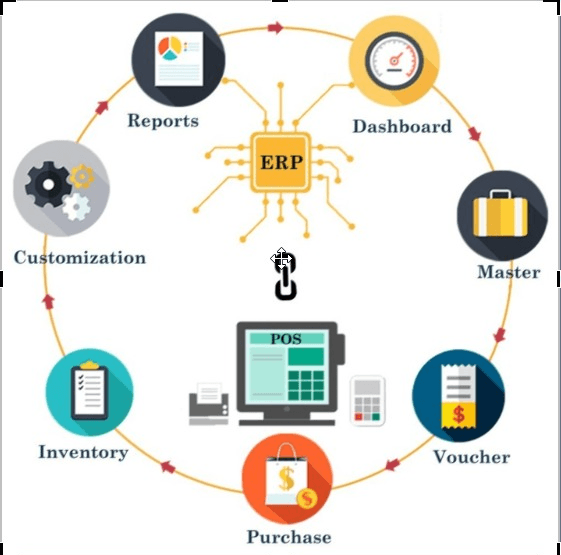
How ERP Supports Better Decision-Making

1. Real-Time Data

ERP gives live reports and dashboards so businesses can make fast decisions.with up-to-date information

2.Predicts Trends

It helps identify sales patterns and future demand. and optimize inventory.

3. Helps Reduce Costs

With proper planning, businesses avoid over-buying or under-buying.

4.Improves Financial Planning

Finance teams get accurate insights for budgeting and forecasting with ERP POS integration.

ERP Software and Business Growth

  • ERP helps businesses manage all operations in one place.
  • It reduces manual work and saves time.
  • ERP improves accuracy in data and reporting.
  • It helps teams work together smoothly.
  • ERP gives real-time insights for better decisions.
  • It helps control inventory and avoid shortages.
  • ERP improves customer service with faster processes.
  • It reduces business costs by
  • ERP makes it easy to scale as the business grows.
  • ERP for retail industry  manages billing, inventory, customers, and daily operations in one system.

Why Businesses Should Invest in ERP Software

1. It Standardizes Processes

ERP software helps businesses manage all operations smoothly in one system. It improves efficiency, reduces costs, and supports steady business growth through better data and teamwork.

2. Strengthens Data Security

Your business data stays safe because only the right people can access it. Strong controls protect your information from misuse.

3. Offers Long-Term Cost Savings

When you reduce manual work, your daily tasks become faster and smoother. This also lowers your overall operational costs in the long run.

4. Improves Collaboration

Teams work better together when everyone sees the same information. This improves coordination and reduces mistakes

Conclusion:

ERP software is not just a tool—it’s a long-term investment for business growth. It improves efficiency, reduces errors, saves time, and helps companies take better decisions. Any business looking to grow should consider implementing ERP for smoother and smarter operations. With platforms like Nexode (https://nexode.in), businesses can manage everything in one place and scale faster.

Frequently Asked Questions

General Questions

ERP is a system that manages all business operations—inventory, sales, HR, finance—in one platform.

It automates daily tasks, reduces manual work, and keeps data accurate.

Cloud ERP is software that manages your business operations online without needing local servers.

It is a system that helps small businesses manage billing, inventory, accounts, sales, and daily operations in one place

ERP software consolidates business data, making it simple to generate in-depth financial, operational, and compliance reports on demand. This helps ensure adherence to industry standards and regulations.​

Sales Questions

Yes, ERP helps small businesses save time, reduce errors, and grow steadily.

It provides real-time data, reports, and insights for faster and better decisions.

Yes, by providing real-time access to accurate data, ERP helps improve order tracking, customer communications, and inventory availability, resulting in faster service and happier customers.

ERP centralizes information about employees, assets, and inventory, allowing businesses to allocate resources more efficiently and adapt quickly to changes in demand.​

ERP systems automate repetitive tasks, optimize workflows, and minimize manual errors, which cuts down on labor and operating expenses. This leads to significant cost savings while boosting overall productivity.​